
As I stood by the stove, the comforting aroma of beef simmering with garlic and herbs enveloped my kitchen, transporting me to memories of family gatherings and laughter-filled dinners. This Traditional Beef Stew is more than a recipe; it’s a warm embrace on cold days, where tender beef and hearty vegetables come together in a rich, savory broth. The beauty of this dish lies not only in its deep, complex flavors achieved through slow cooking but also in its versatility as a make-ahead meal. You’ll find it perfect for gatherings or as a cozy weeknight feast, where leftovers taste even better the next day. What special touch will you add to make it your own?
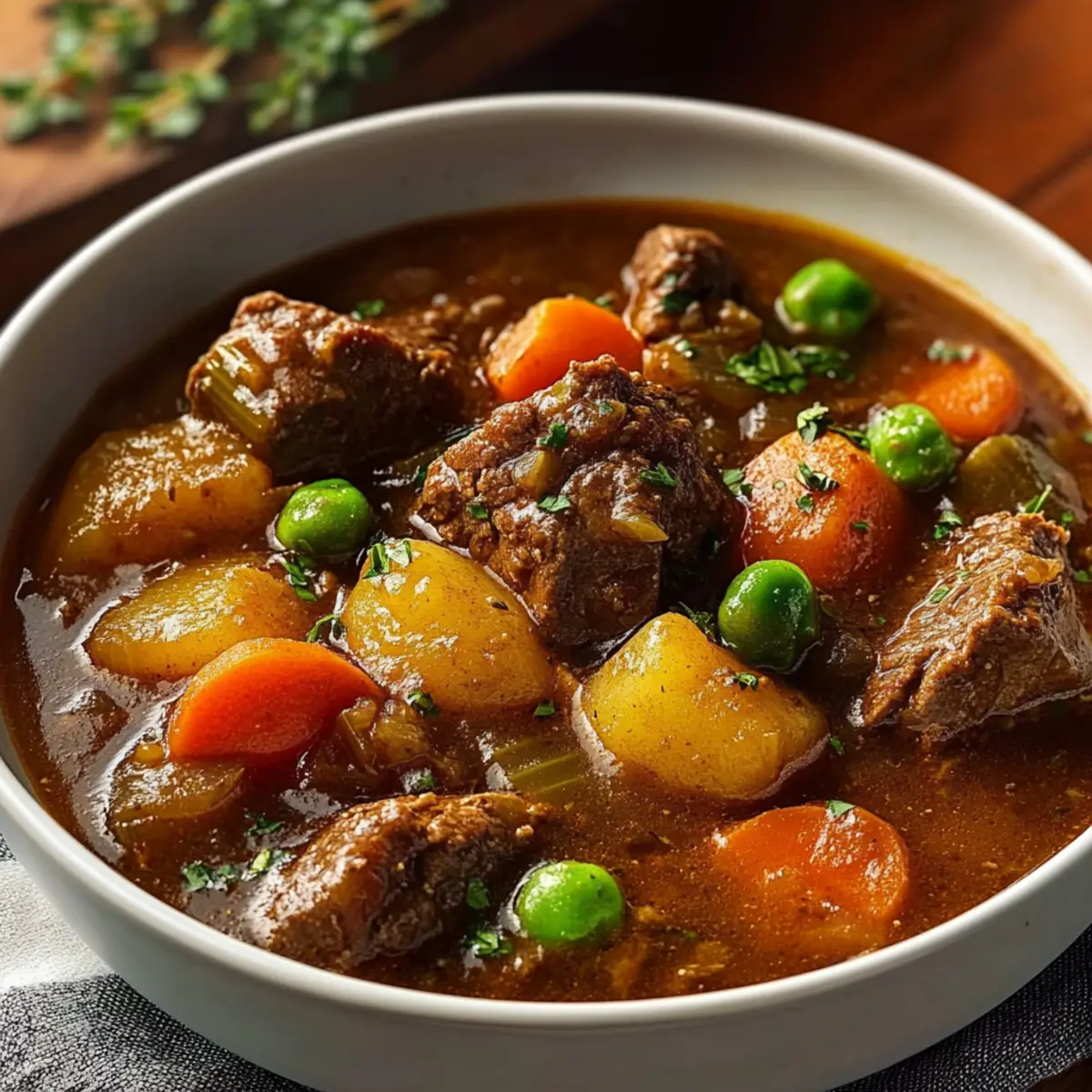
What makes this stew a family favorite?
Heartwarming Tradition: This Traditional Beef Stew is steeped in family memories, creating a comforting dish that brings everyone together.
Hearty Flavor: The slow-cooked blend of tender beef, garlic, and herbs delivers a savory punch that warms the soul.
Versatile Meal: Perfect for Sunday dinners or meal prep, leftovers are just as delicious the next day. Pair it with crusty bread, or try it over creamy mashed potatoes for an extra comforting touch.
Simple Preparation: With straightforward steps, you’ll have this classic dish ready to impress, making it an easy choice for busy weeknights or festive gatherings.
Crowd-Pleaser: Everyone loves a hearty stew, making it an ideal choice for family gatherings. Serve it up and watch the smiles! Don’t forget to check out my Cheesy Ground Beef and Rice Casserole for another comforting dish everyone will adore!
Traditional Beef Stew Ingredients
For the Stew
• Cubed Beef Chuck – This flavorful cut ensures a tender texture, making your stew hearty. Avoid lean cuts like sirloin as they can make it dry.
• Flour – Helps brown the meat beautifully, giving your stew a delightful thickness.
• Olive Oil – Used for searing the beef, it enhances the overall flavor significantly.
• Yellow Onion – Adds a touch of sweetness and depth, enriching the stew’s profile.
• Celery – Provides a refreshing crunch and aromatic notes, adding dimension.
• Garlic – This staple ingredient intensifies the savory flavor, enhancing every spoonful.
• Tomato Paste – Infuses the dish with richness and acidity; crushed tomatoes can work as a substitute.
• Red Wine – Not just for sipping! It deglazes the pot and adds complex flavor; opt for a dry variety.
• Beef Stock – The foundation of your stew; vegetable broth can be used for a lighter twist.
• Worcestershire Sauce – Brings a lovely umami depth, ideal for a comforting stew.
• Italian Herb Blend – Provides aromatic flavor; consider fresh herbs for a vibrant alternative.
• Bay Leaves – Impart subtle herbal notes; don’t forget to remove them before serving.
• Yukon Gold Potatoes – These sturdy potatoes hold their shape beautifully, enhancing the stew’s heartiness.
• Carrots – Add natural sweetness and a pop of color; cut them thick to prevent mushiness.
• Frozen Green Peas (optional) – Toss in for a burst of color and bright flavor at the end.
• Salt and Black Pepper – Essential for balancing flavors; adjust to your taste.
Step‑by‑Step Instructions for Traditional Beef Stew
Step 1: Prep the Vegetables
Begin by peeling and chopping the Yukon Gold potatoes and carrots into thick chunks, set aside. Dice the celery, finely chop the yellow onion, and mince the garlic. This prep work is essential to ensure even cooking and flavor distribution in your Traditional Beef Stew, making the dish flavorful and hearty.
Step 2: Coat the Beef
In a mixing bowl, evenly coat the cubed beef chuck with flour. This coating will help the meat brown beautifully. In a Dutch oven, heat 2 tablespoons of olive oil over medium-high heat until shimmering. The oil should glisten, signaling it’s hot enough for the next step.
Step 3: Sear the Beef
Add the beef in batches to the hot oil, ensuring not to overcrowd the pot. Sear the beef for about 4-5 minutes on each side or until it’s richly browned all over. Once browned, remove the beef and set it aside on a plate, leaving the fond in the pot for later.
Step 4: Sauté Aromatics
In the same Dutch oven, add the diced onion and celery. Sauté over medium heat for about 5-7 minutes until softened and fragrant, stirring occasionally. Then, stir in the minced garlic and tomato paste, cooking for an additional 2-3 minutes. The mixture should darken slightly as it combines into a savory blend.
Step 5: Deglaze the Pot
Pour in one cup of dry red wine, scraping the bottom of the pot to dissolve the browned bits. Cook for about 2-3 minutes until the wine reduces slightly, enhancing the flavors in your Traditional Beef Stew. Then, add in the beef stock and Worcestershire sauce, stirring to combine everything well.
Step 6: Return the Beef
Add the seared beef back into the pot along with any juices from the plate. Toss in the Italian herb blend and bay leaves, creating a fragrant mixture. Increase the heat to bring it to a simmer, then cover the pot and reduce the heat to low. Let it cook gently for one hour, allowing the flavors to meld.
Step 7: Add the Vegetables
After the first hour of simmering, introduce the chopped potatoes and carrots into the pot. Stir gently to combine, then cover again and continue to simmer for another hour. You’ll know it’s ready when the vegetables are tender and the beef is fork-tender, resulting in a deeply comforting stew.
Step 8: Final Touches
In the last few minutes of cooking, stir in the optional frozen green peas for a pop of color and fresh flavor. Season the stew with salt and black pepper to taste, ensuring all flavors are well balanced. Allow it to heat through, then remove from heat, and prepare to serve this hearty Traditional Beef Stew!
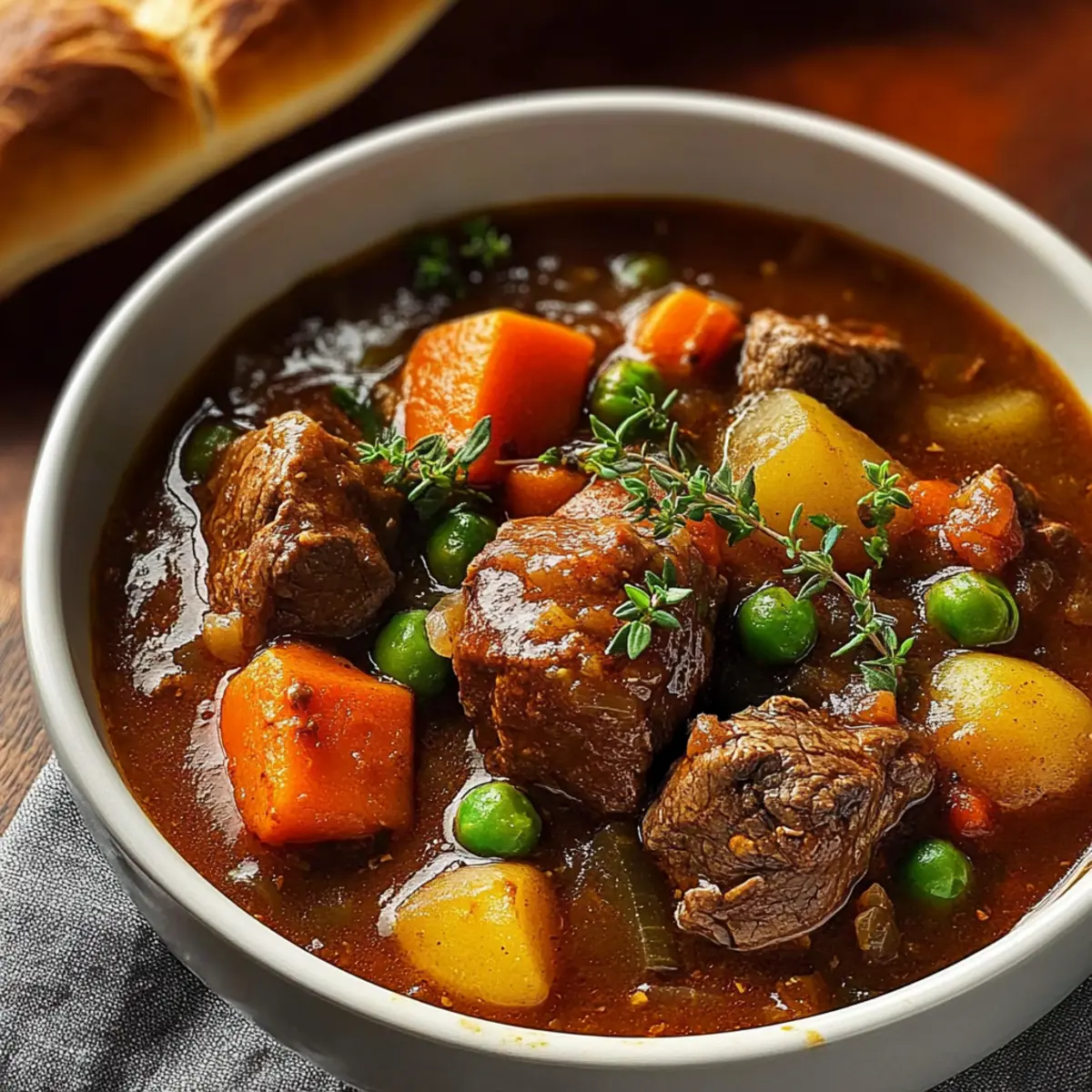
Traditional Beef Stew Variations
Feel free to unleash your creativity in the kitchen with these delicious twists on the classic stew!
-
Lamb Swap: Replace beef with lamb for a richer, more robust flavor that brings a lovely twist to the dish.
It’s a delightful change that showcases the beauty of hearty meats while retaining the comforting essence of stew. -
Sweet Potato Upgrade: Substitute Yukon Gold potatoes with sweet potatoes for a touch of sweetness and vibrant color.
This swap adds a delightful earthiness that beautifully complements the hearty, savory flavors of the stew. -
Spicy Kick: Add crushed red pepper flakes or sriracha to introduce a bit of heat and elevate the flavor profile.
A little spice can transform the dish into a warm embrace with an exciting flavor boost, perfect for those chilly evenings. -
Vegetable Feast: Experiment with different vegetables such as mushrooms, parsnips, or bell peppers for added texture and nutrition.
Incorporating a range of veggies enhances the stew while making it colorful and packed with diverse flavors. -
Herb Variation: Swap out the Italian herb blend for fresh herbs like rosemary or thyme to brighten up the dish.
Fresh herbs impart a fragrant and aromatic quality that can elevate even the simplest of meals. -
Creamy Addition: For a touch of decadence, stir in a dollop of sour cream or cream cheese just before serving.
This creates a velvety finish, marrying beautifully with the rich deep flavors of your Traditional Beef Stew. -
Red Wine Options: Use a fruity Merlot or spicy Zinfandel for different undertones in your stew.
Each wine brings its own subtle character, allowing you to discover new facets of your beloved stew with every batch.
Explore each variation and make this Traditional Beef Stew not only a family favorite but uniquely yours! If you’re looking for more comforting ideas, try my High Protein Beef Pasta Recipe or the indulgent Beef Bourguignon Julia for delightful alternatives.
How to Store and Freeze Traditional Beef Stew
Fridge: Store in an airtight container for up to 4 days. The flavors intensify over time, making each serving even more delightful!
Freezer: To freeze, portion out the stew into meal-sized containers and keep for up to 3 months. Make sure the stew cools completely before freezing to maintain texture.
Reheating: When ready to enjoy your Traditional Beef Stew, reheat gently on the stove, adding a splash of broth if it thickens too much. This helps keep it luscious and flavorful!
Thawing: Always thaw in the refrigerator overnight for best results before reheating to maintain the hearty quality of your stew.
Expert Tips for Traditional Beef Stew
- Brown it Well: Ensure the beef is well-browned for maximum flavor; sear in small batches to avoid overcrowding in the pot.
- Texture Matters: Add potatoes and carrots later to keep them from becoming mushy; preserving their shape enhances the stew’s hearty nature.
- Deglazing is Key: Don’t skip deglazing the pot with red wine after browning the beef; it lifts the rich fond for deeper flavor extraction in your Traditional Beef Stew.
- Taste and Adjust: Always taste before serving; season with salt and black pepper for a balanced flavor that resonates with every spoonful.
- Rest for Flavor: Let the stew rest for at least 30 minutes before serving to allow flavors to meld beautifully, enhancing the overall taste experience.
Make Ahead Options
These Traditional Beef Stew preparations are fantastic for busy weeknights! You can chop all your vegetables (potatoes, carrots, celery, and onion) up to 24 hours in advance and store them in an airtight container in the refrigerator to keep them fresh. You can also sear the cubed beef, allowing the stew to be assembled and cooked in about 30 minutes. Before serving, simply add the prepped vegetables and continue cooking as directed. For even greater flavor, make the stew completely and refrigerate it for up to 3 days; it tastes even better the next day! Reheat gently on the stove, adding a splash of beef stock if needed, to achieve delicious results with minimal effort.
What to Serve with Traditional Beef Stew
Indulging in a comforting bowl of beef stew creates a cozy atmosphere, but the meal can become even more delightful with the right pairings.
-
Crusty Bread: Perfect for sopping up every last drop of the rich broth, crusty artisan bread adds a satisfying crunch and complements the stew’s heartiness.
-
Creamy Mashed Potatoes: The velvety texture of buttery mashed potatoes blends beautifully with the stew, providing a comforting contrast to the beef and veggies.
-
Garlic Butter Dinner Rolls: Soft and warm, these rolls provide an inviting aroma and delightful flavor, making each bite a true comfort.
-
Roasted Brussels Sprouts: Their slightly bitter, caramelized edges offer a delightful texture and flavor balance to the hearty stew, enhancing your meal with freshness.
-
Caesar Salad: Crisp romaine topped with a tangy dressing contrasts nicely with the warm stew, adding a refreshing crunch and a touch of zest.
-
Red Wine Pairing: A glass of dry red wine such as Cabernet Sauvignon elevates the heartiness of the stew, enhancing flavors and creating a full-bodied dining experience.
-
Apple Crisp: End on a sweet note with a warm apple crisp, where the hints of cinnamon and tender apples create a comforting dessert experience that complements the savory stew.
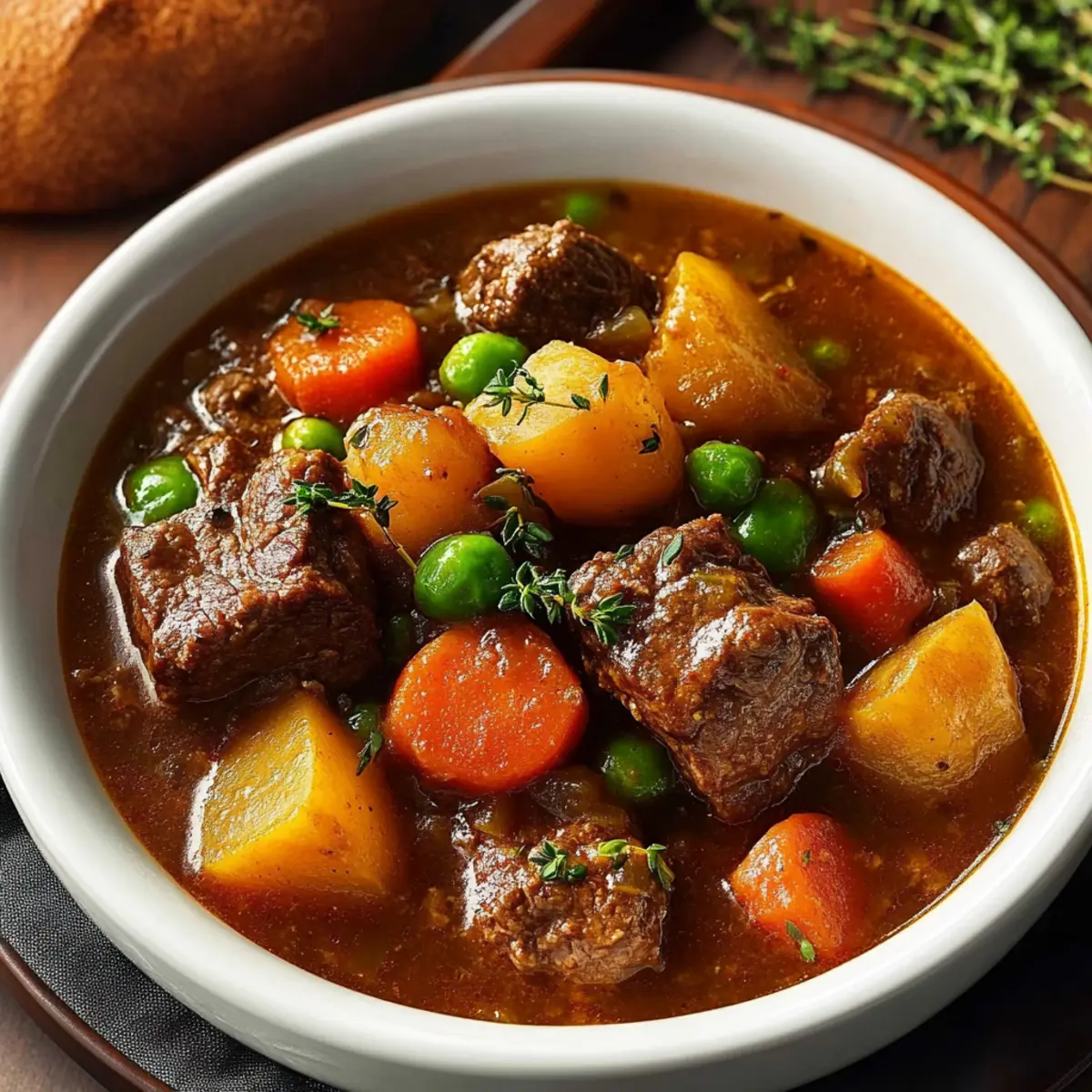
Traditional Beef Stew Recipe FAQs
How do I choose the best beef for my stew?
Absolutely! For the most flavorful stew, I recommend using cubed beef chuck. This cut offers a beautiful balance of fat and meat, ensuring tenderness during slow cooking. Avoid lean cuts like sirloin, as they can lead to dry texture in your stew.
What is the best way to store leftovers of Traditional Beef Stew?
Very! Keep your leftovers in an airtight container in the fridge for up to 4 days. As it sits, the flavors actually deepen, making it even more delicious the next day, so don’t hesitate to savor those leftovers!
Can I freeze Traditional Beef Stew?
Of course! To freeze, divide the stew into portion-sized containers and ensure they cool completely before sealing. You can keep them in the freezer for up to 3 months. When you’re ready to enjoy, simply thaw in the fridge overnight and reheat gently on the stove, adding a splash of broth if it thickens.
What should I do if my stew is too thick?
Not a problem! If your stew ends up thicker than you’d like, just add a little beef stock or broth while reheating. Stir it in gradually until you achieve your desired consistency—it’s important to keep the delicious flavor intact!
Is Traditional Beef Stew safe for my pets?
I recommend avoiding sharing your stew with pets. Ingredients like onions and garlic, commonly found in this dish, can be toxic to animals. It’s best to enjoy your hearty stew solo and keep it away from your furry friends.
Are there any allergy considerations for Traditional Beef Stew?
Certainly! Always check the ingredient list based on your dietary needs. For those with gluten sensitivities, consider using a gluten-free flour, and if you’re avoiding alcohol, you can substitute the red wine with additional beef stock or broth to keep the flavor profile robust!
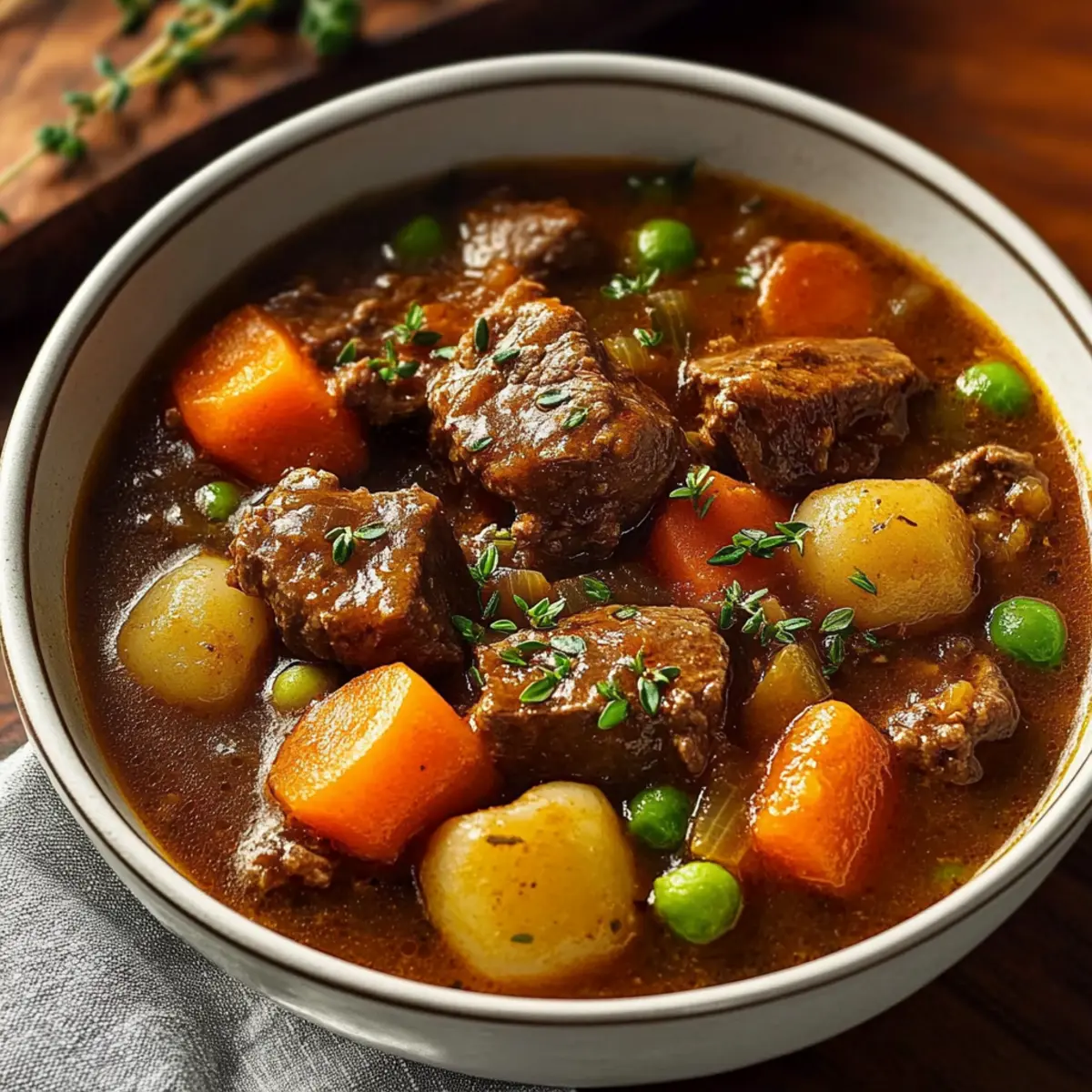
Hearty Traditional Beef Stew for Cozy Family Nights
Ingredients
Equipment
Method
- Prep the Vegetables: Peel and chop the Yukon Gold potatoes and carrots into thick chunks; dice the celery, finely chop the yellow onion, and mince the garlic.
- Coat the Beef: In a bowl, coat the cubed beef chuck with flour. Heat olive oil in a Dutch oven over medium-high heat.
- Sear the Beef: Add the beef in batches to the hot oil, sear for about 4-5 minutes on each side until browned.
- Sauté Aromatics: In the same pot, add onion and celery, sauté for 5-7 minutes; then stir in garlic and tomato paste for 2-3 minutes.
- Deglaze the Pot: Pour in red wine, scraping the bottom of the pot. Cook for 2-3 minutes, then add beef stock and Worcestershire sauce.
- Return the Beef: Add the seared beef back to the pot along with Italian herbs and bay leaves. Bring to a simmer, then cover and reduce heat.
- Add the Vegetables: After an hour, introduce potatoes and carrots to the pot, cover and simmer for another hour.
- Final Touches: In the last minutes, stir in green peas; season with salt and black pepper to taste, then remove from heat.
Leave a Reply