
As I rolled out the dough, the sun-drenched aroma of fresh flour and eggs filled my kitchen, transporting me straight to a charming trattoria in Italy. Making homemade lasagna noodles is not just about crafting pasta; it’s an embrace of tradition and authenticity, using just three simple ingredients: flour, eggs, and a pinch of salt. What I love most about this recipe is that it’s both quick to prepare—taking under an hour—and a guaranteed crowd-pleaser that transforms any lasagna into a luxurious feast. The tender sheets add a delightful texture that complements layers of rich sauce and bubbling cheese, creating a comforting dish perfect for family gatherings or cozy dinners. Are you ready to elevate your pasta game and impress your loved ones with this simple yet enchanting recipe? Let’s get started!
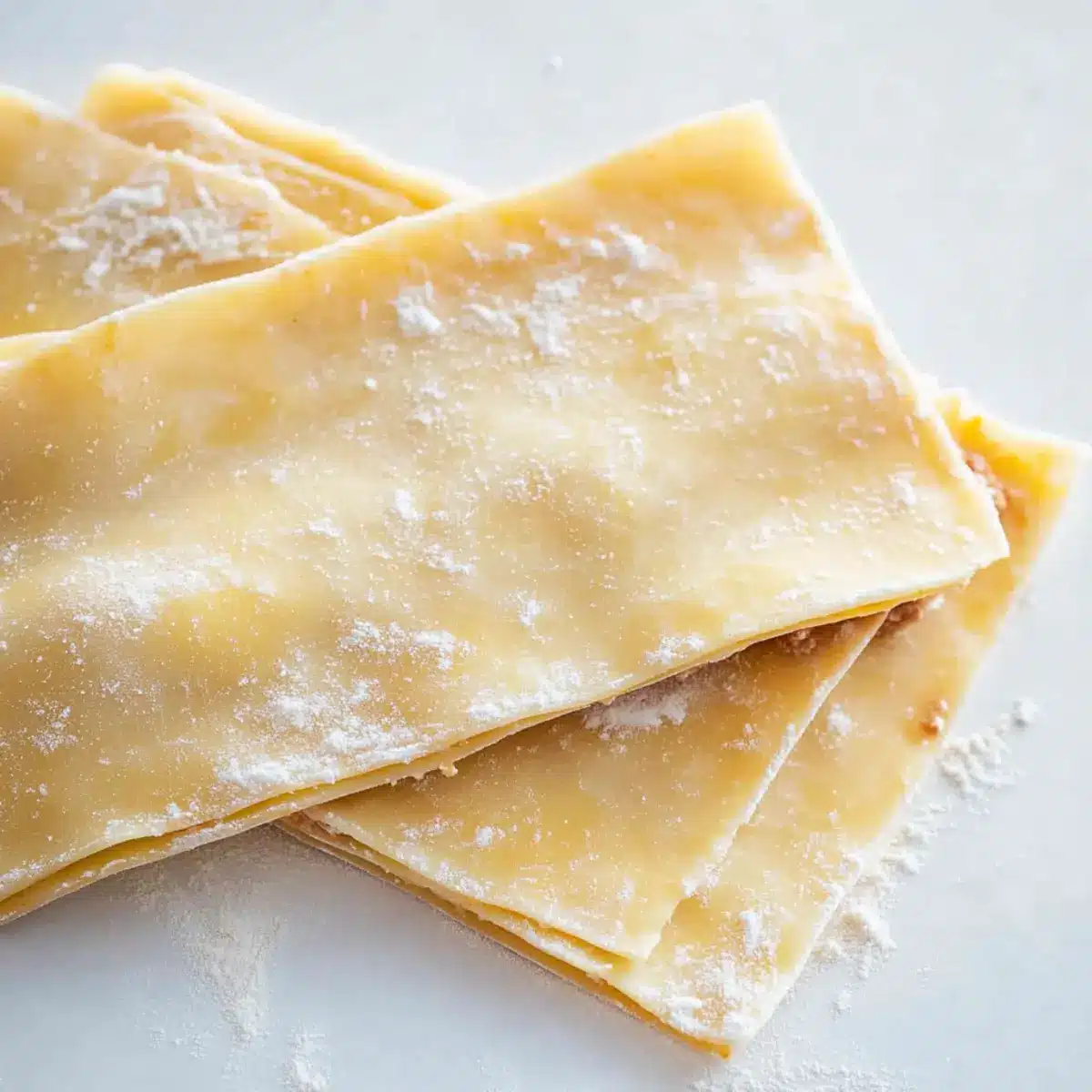
Why Make Homemade Lasagna Noodles?
Authenticity at Its Finest: These homemade lasagna noodles offer a taste of tradition, reminiscent of trips to Italy with every delicious bite.
Effortless Preparation: With just three simple ingredients, this recipe is approachable for both novice and seasoned cooks.
Time-Saving Delight: Ready in less than 50 minutes, say goodbye to store-bought pasta!
Versatile Usage: Cut the sheets into any shape you desire, from fettuccine to ravioli—perfect for all your favorite dishes.
Crowd-Pleasing Comfort: Whether it’s a family dinner or a cozy gathering, this dish is sure to impress. Dive into nostalgia with each scrumptious layer!
Homemade Lasagna Noodles Ingredients
For the Dough
- Flour – Use “00” flour or pizza flour for a tender texture; all-purpose flour can work in a pinch.
- Eggs – Choose fresh, free-range eggs with vibrant yolks for added richness and color.
- Salt – Just a pinch enhances the flavor of your homemade lasagna noodles beautifully.
Step‑by‑Step Instructions for Homemade Lasagna Noodles
Step 1: Prepare Dough
Start by weighing out your flour and creating a well in the center of a clean work surface. Crack the eggs into the well, breaking the yolks gently with a fork. Gradually mix in the flour from the edges until a shaggy dough forms. Knead the mixture for about 10 minutes, until it becomes smooth and elastic. If it feels dry, wet your hands as you knead.
Step 2: Rest Dough
Once the dough is smooth, form it into a ball and wrap it tightly in plastic wrap to prevent it from drying out. Allow the dough to rest at room temperature for 30 minutes. This step is essential for achieving the perfect texture in your homemade lasagna noodles, making it easier to roll out later.
Step 3: Roll Out Noodles
After resting, divide the dough into six equal portions to manage the rolling process better. Using a pasta machine, start with the widest setting (typically level 0) and flatten one piece of dough. Roll it through, gradually working your way down to level 5, dusting with flour as necessary to avoid sticking. The noodles should be thin and supple.
Step 4: Cut Noodles
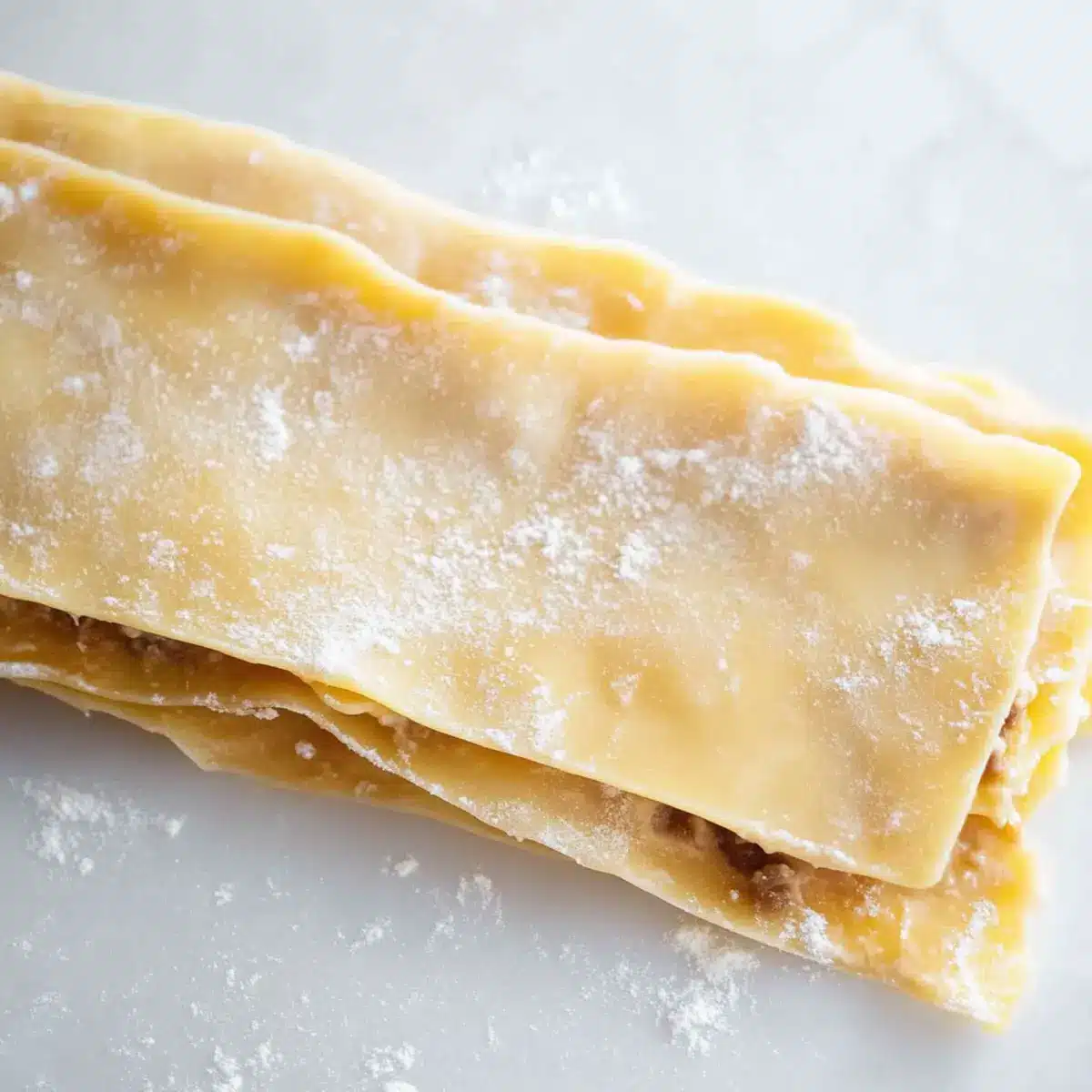
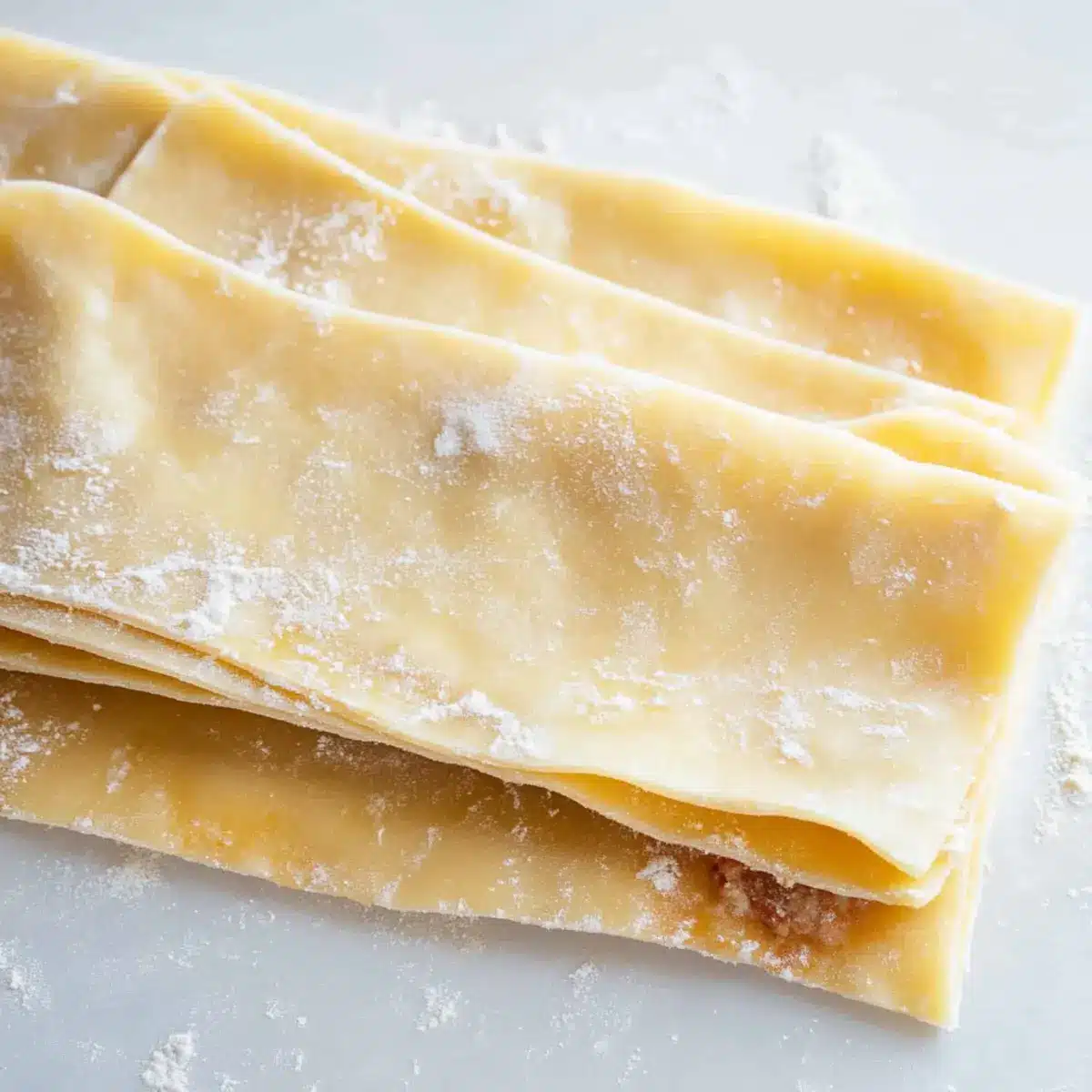
Once rolled out, trim the sheets to the desired length to fit your lasagna dish. You can use a sharp knife or a pasta cutter for clean edges. These homemade lasagna noodles should be uniformly thick for even cooking, making your layers of lasagna beautifully cohesive and delicious.
Step 5: Boil Noodles
Bring a large pot of salted water to a vigorous boil over medium-high heat. Carefully add the fresh noodles to the boiling water and cook for 1 to 2 minutes, just until they are al dente. Watch for the noodles to turn a soft yellow color, then drain them immediately and set aside to dry. This step ensures they retain their texture when layered in your lasagna.
Expert Tips for Homemade Lasagna Noodles
-
Dough Consistency: Ensure your dough is not too dry. If it feels crumbly, adding a little water while kneading can help achieve the right elasticity.
-
Resting Time: Don’t skip the resting period! Allowing the dough to rest is crucial for a more pliable texture, making it easier to roll out thin sheets.
-
Cooking Time: Keep a close eye while boiling the noodles; fresh pasta cooks faster than dry pasta. Just 1-2 minutes should do for perfect al dente noodles.
-
Freezing Technique: For future use, lay the uncooked noodles flat on a parchment-lined baking sheet before freezing. This prevents them from sticking together.
-
Layering Sauce: When assembling your lasagna, ensure there’s enough sauce between layers to keep the homemade lasagna noodles moist and tender during baking.
Storage Tips for Homemade Lasagna Noodles
Fridge: Store fresh lasagna noodles in an airtight container, separated by parchment paper, for up to 3 days. This prevents sticking and keeps them fresh.
Freezer: Freeze uncooked noodles in a single layer on a baking sheet, then transfer to an airtight container for long-term storage. They can be kept for up to 2 months.
Reheating: To use frozen noodles, drop them directly into boiling water for 1-2 minutes without thawing. This helps retain the optimal texture of homemade lasagna noodles.
Drying: If storing dried noodles, ensure they are fully dried to prevent mold. Keep them in a cool, dry place in an airtight container for up to 6 months.
What to Serve with Fresh Homemade Lasagna Noodles?
Transform your meal into a memorable experience with delightful pairings that tantalize the palate.
-
Rich Bolognese Sauce: The meaty, savory flavors of a classic Bolognese sauce enhance the homemade lasagna noodles, creating a hearty and satisfying dish. It’s a match made in Italian culinary heaven!
-
Creamy Bechamel Sauce: Adding a layer of creamy bechamel sauce brings a luscious texture and richness, balancing the flavors and adding depth to each bite. This combination will have everyone reaching for seconds.
-
Garlic Breadsticks: Crunchy on the outside and soft within, garlic breadsticks provide a delightful contrast to the tender lasagna. Dip them into your favorite sauce for an irresistible and satisfying experience.
-
Caesar Salad: Bright and fresh, a Caesar salad’s crisp romaine and zesty dressing cut through the richness of the lasagna, cleansing the palate. The crunch of croutons adds a lovely texture that complements the meal beautifully.
-
Antipasto Platter: An antipasto platter featuring cured meats, cheeses, olives, and marinated vegetables offers a vibrant, flavorful start to your meal. It sets the stage for the homemade lasagna noodles to shine.
-
Chocolate Tiramisu: For dessert, a light and airy tiramisu brings a sweet ending with notes of espresso and cocoa. Its creamy texture envelops your taste buds, leaving a lingering happiness that pairs perfectly after the hearty main course.
-
Italian White Wine: A crisp Pinot Grigio or a fruity Verdicchio makes a refreshing sip alongside your lasagna. The wine’s acidity complements the richness of the noodles and sauce, enhancing your dining experience.
-
Seasonal Fruit Salad: A colorful and refreshing fruit salad with seasonal fruits adds a light touch to round out the meal nicely, offering a palette cleanser that brightens the palate after a hearty lasagna.
-
Homemade Gelato: Finish on a sweet note by serving your favorite gelato flavor. The creamy, cold dessert provides a delightful contrast and makes for an indulgent treat that feels luxurious.
Make Ahead Options
These homemade lasagna noodles are perfect for busy home cooks looking to streamline meal preparation! You can make the pasta dough up to 24 hours in advance; simply wrap it tightly in plastic wrap and refrigerate to preserve its freshness. Additionally, after rolling out your noodles, consider freezing them in a single layer on a baking sheet for up to 3 months before transferring to an airtight container. To maintain the quality of your noodles, be sure to dust them lightly with flour to prevent sticking. When ready to use, drop the frozen sheets directly into boiling salted water for a quick cook of 1-2 minutes, ensuring your delicious homemade lasagna noodles are just as tender and delightful as when freshly made!
Homemade Lasagna Noodles Variations
Feel free to explore and personalize your pasta-making journey with these delightful variations that will satisfy any craving!
-
Fettuccine Delight: Roll and cut the sheets into wider strips for luscious fettuccine, perfect for creamy sauces.
-
Whole Wheat Alternative: Substitute half of the “00” flour for whole wheat flour, adding a nutty flavor and extra fiber.
-
Spinach Infusion: Blend cooked spinach into the dough for vibrant green noodles that pack an extra veggie punch.
-
Herb-Infused Texture: Add dried herbs like oregano or basil directly to the dough for a fragrant twist that complements Italian flavors beautifully.
-
Ricotta Filling: Use the sheets to make stuffed pasta by filling them with a mixture of ricotta, parmesan, and herbs for a cheesy surprise.
-
Gluten-Free Option: Swap the flour for gluten-free pasta flour, and enjoy a no-gluten lasagna while keeping that authentic taste.
-
Veggie-Loaded Version: Incorporate puréed roasted vegetables into the dough for added flavor and nutrition; think roasted red peppers or squash.
-
Spicy Kick: Mix in a pinch of red pepper flakes to the dough for a hint of heat that awakens the taste buds, enhancing every lasagna layer!
For more pasta adventures, check out how to prepare Saucy Ramen Noodles or try your hand at Drunken Noodles Just for a delightful twist.
Homemade Lasagna Noodles Recipe FAQs
What type of flour should I use for homemade lasagna noodles?
I recommend using “00” flour or pizza flour for the best texture and tenderness. If you can’t find those, all-purpose flour works well too, but the noodles may be slightly denser.
How should I store fresh homemade lasagna noodles?
Store your fresh noodles in an airtight container, with parchment paper separating the layers to prevent sticking. They will stay fresh in the fridge for up to 3 days.
Can I freeze homemade lasagna noodles?
Absolutely! To freeze uncooked noodles, lay them out in a single layer on a parchment-lined baking sheet. Once they are frozen solid, transfer them to an airtight container. They can be stored for up to 2 months. When ready to use, drop them directly into boiling water for 1-2 minutes without thawing.
What if my dough feels too dry while kneading?
If your dough feels dry and crumbly, no worries! Just wet your hands slightly and continue kneading. This will help add moisture to the dough and achieve the smooth texture you’re aiming for.
How do I prevent homemade lasagna noodles from sticking together?
To avoid sticking, make sure to dust your work surface and noodles lightly with flour while rolling and cutting. When storing, separating the noodles with parchment paper is essential, especially if they are fresh.
Can I use these noodles for dishes other than lasagna?
Very much! These homemade lasagna noodles are incredibly versatile. Feel free to cut them into strips for fettuccine or shape them for ravioli. The flavorful sheets will enhance any pasta dish you create!
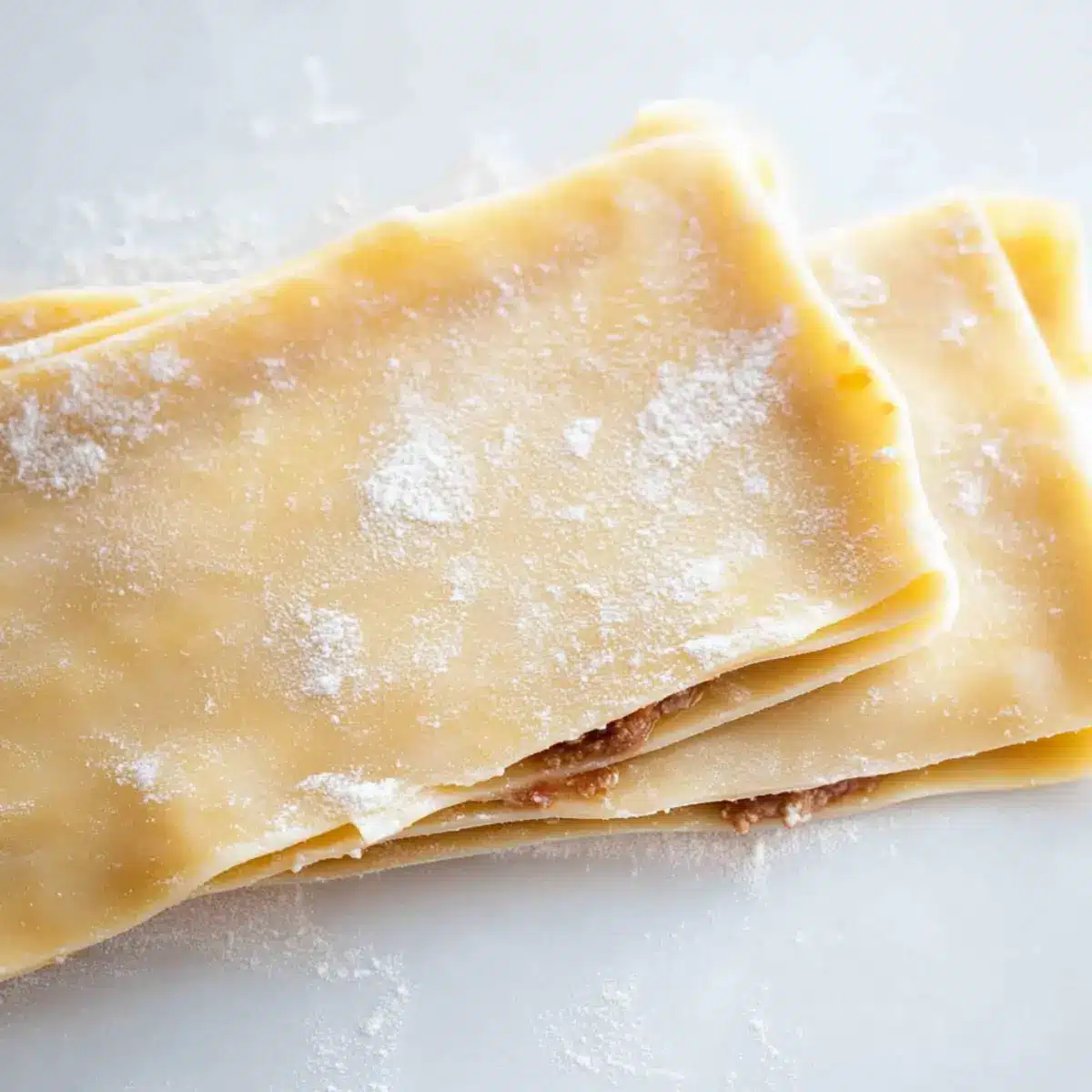
Homemade Lasagna Noodles: Your Fresh Pasta Game Changer
Ingredients
Equipment
Method
- Prepare the dough by creating a well with the flour and adding eggs to mix until a shaggy dough forms.
- Rest the dough for 30 minutes wrapped in plastic wrap.
- Roll out the dough using a pasta machine, starting with the widest setting.
- Cut the rolled out sheets to the desired size for your lasagna dish.
- Boil the noodles in salted water for 1-2 minutes until al dente.
Leave a Reply