
As I stood in my kitchen, the sizzling sound of marinated beef set my heart racing with excitement. The irresistible aroma of sweet soy, toasted sesame, and fresh garlic filled the air, instantly transporting me to a bustling Korean market. This Classic Korean Beef Bulgogi is not just a dish; it’s a savory delight that transforms any weeknight meal into something special. Quick to prepare in just 37 minutes, it’s perfect for those busy evenings when you still crave something homemade and flavorful. Each tender, caramelized slice wrapped in crisp lettuce brings a savory sweetness that makes every bite memorable. Ready to elevate your dinner game? Let’s dive into this tantalizing recipe!
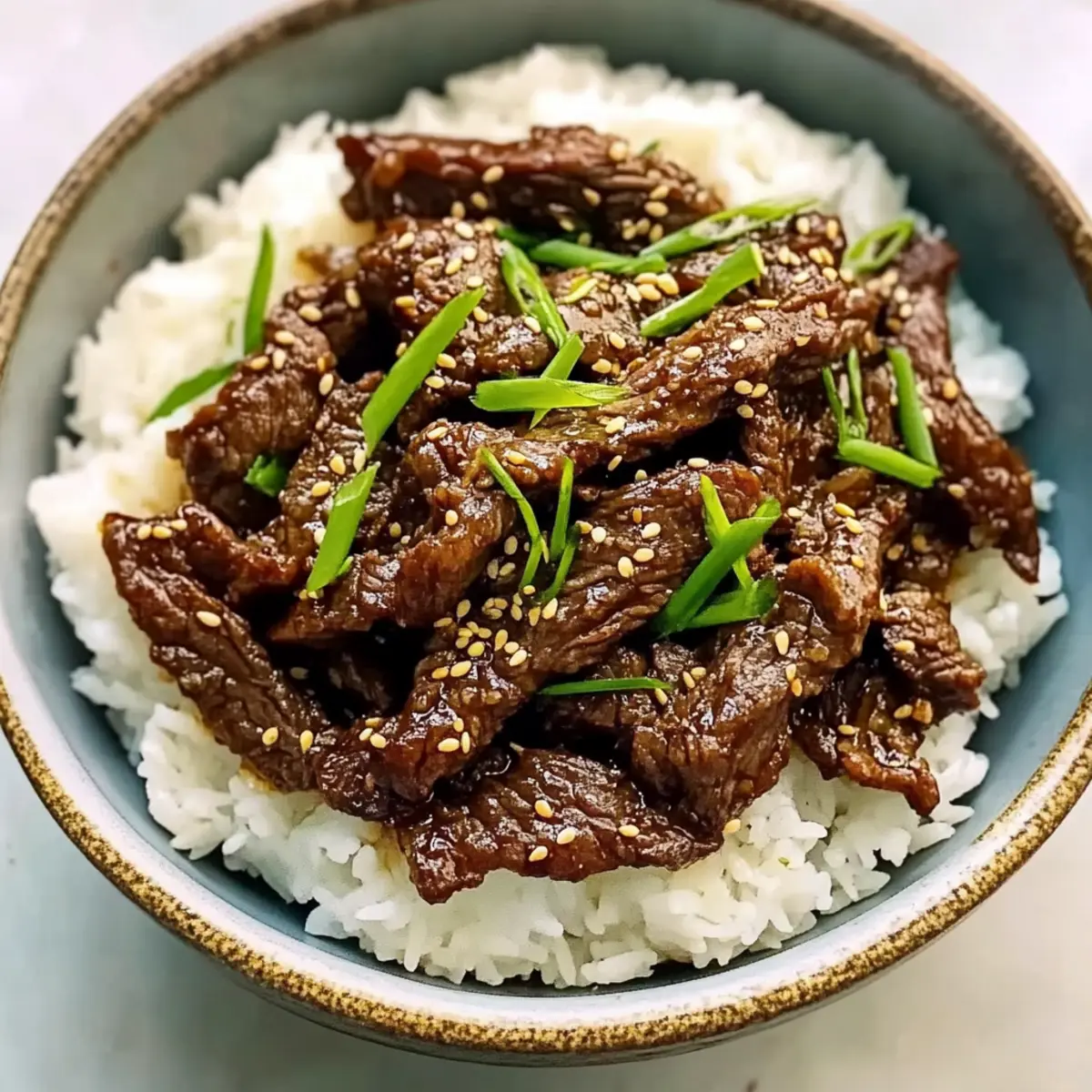
Why is Korean Beef Bulgogi a Must-Try?
Quick Preparation: With only 37 minutes from start to finish, it’s the perfect weeknight solution for busy lives.
Savory Sweetness: The blend of soy, brown sugar, and toasted sesame oil provides a rich flavor that satisfies any craving.
Versatile Dish: Enjoy it over rice, wrapped in lettuce, or alongside your favorite vegetables. It’s adaptable to any meal occasion!
Mouthwatering Aroma: The delightful scents of fresh garlic and ginger will have everyone gathering around the dinner table.
Crowd-Pleaser: This dish is loved by both Korean cuisine fans and those new to its flavors—your guests will rave about it!
For a comforting side, try pairing this with a bowl of Cheesy Ground Beef and Rice Casserole or enjoy leftovers from a delicious Gordon Ramsay Beef dinner.
Korean Beef Bulgogi Ingredients
For the Marinade
- Beef sirloin or ribeye – This choice of meat is tender and full of flavor; ask your butcher for thin slices to simplify preparation.
- Soy sauce – Acts as the savory foundation for the marinade; opt for low-sodium for fewer calories.
- Brown sugar – Balances the savory notes with sweetness, making your Korean Beef Bulgogi more delectable.
- Sesame oil – Infuses the dish with a nutty aroma, enhancing its richness.
- Mirin (or dry sherry) – Adds depth and subtle sweetness; substitute with apple juice if necessary.
- Rice vinegar – Brightens the dish with a tangy note, cutting through richness.
- Asian pear (or apple juice) – This acts as a natural tenderizer; a small Fuji apple works well as a substitute.
- Garlic – Elevates the dish with its aromatic qualities; the more fresh, the better!
- Fresh ginger – This root adds warmth and a slight spice that complements the beef.
- Black pepper – A little seasoning goes a long way; fresh-ground pepper provides the best flavor.
- White onion – Enhances sweetness and umami, especially when finely grated or pureed.
For Cooking & Garnishing
- Toasted sesame seeds – These add a delightful crunch and nutty flavor to finish your dish.
- Green onions – Freshly chopped, they add color and an extra layer of flavor.
- Cooked rice – A perfect base for your bulgogi; it soaks up all the delicious flavors.
- Lettuce leaves – Optional yet refreshing, they are ideal for wrapping your juicy bulgogi.
Ready to tantalize your taste buds? Let’s cook up a storm with this quick weeknight Korean Beef Bulgogi!
Step‑by‑Step Instructions for Classic Korean Beef Bulgogi
Step 1: Prepare the Beef
Begin by slicing your beef sirloin or ribeye into 1/8 inch thick pieces against the grain. If necessary, place the meat in the freezer for about 30 minutes to firm it up, making it easier to handle. This quick freezing helps achieve those tender, melt-in-your-mouth slices essential for the perfect Korean Beef Bulgogi.
Step 2: Make the Marinade
In a large mixing bowl, whisk together soy sauce, brown sugar, sesame oil, mirin, rice vinegar, grated Asian pear, minced garlic, freshly grated ginger, black pepper, and finely grated onion. The goal is to create a well-combined mixture that will deeply flavor your beef. Allow the marinade to sit for a few minutes to let the flavors meld while you prepare the meat.
Step 3: Marinate the Beef
Add the thinly sliced beef to the marinade, using your hands or a spatula to ensure each piece is well coated. Cover the bowl with plastic wrap or transfer everything to a resealable bag. Refrigerate for at least 2 hours, but for optimal flavor, let it marinate overnight. This step brings out the savory-sweet profile that makes Korean Beef Bulgogi shine.
Step 4: Cook the Bulgogi
Heat a non-stick skillet or wok over medium-high heat until it’s hot. Add the marinated beef in small batches, ensuring not to overcrowd the pan. Cook for 2-3 minutes per side, or until the beef is beautifully caramelized and slightly charred. Keeping the heat high helps achieve that tasty sear while keeping the beef tender.
Step 5: Serve the Dish
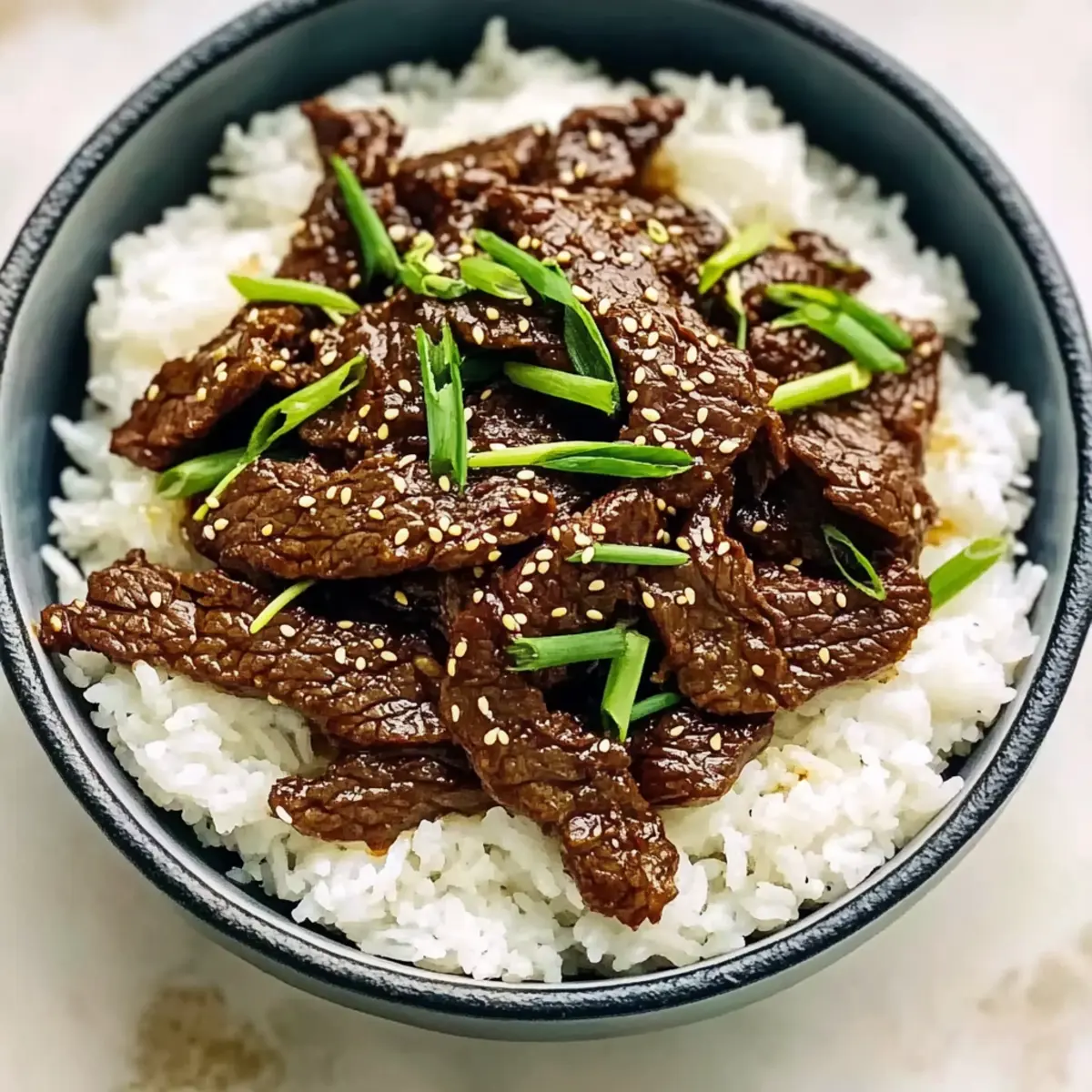
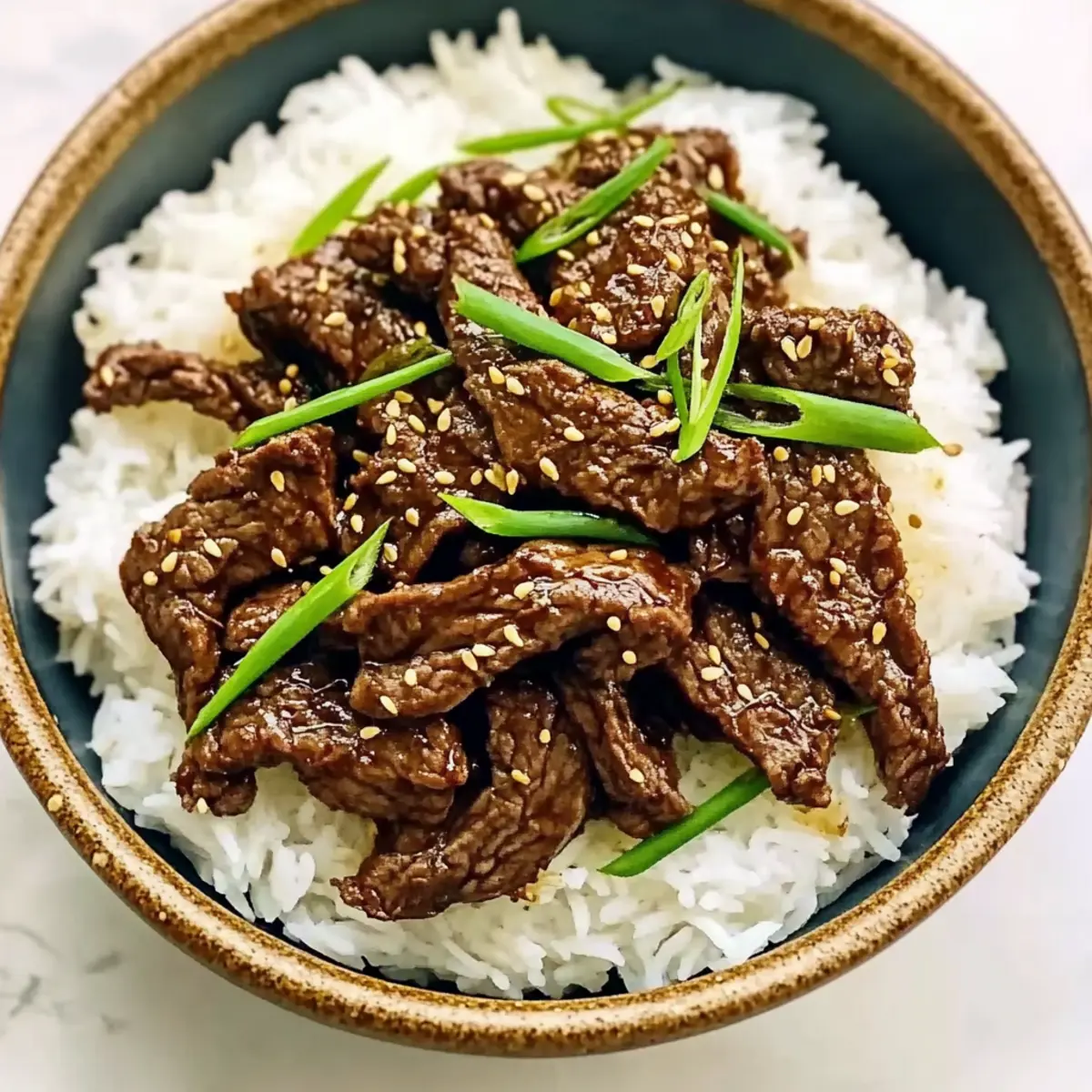
Transfer the cooked beef bulgogi to a serving platter. Garnish generously with toasted sesame seeds and thinly sliced green onions for a pop of color. Serve warm alongside a bed of cooked rice, and for a fresh twist, offer crisp lettuce leaves for wraps. This delightful presentation enhances the experience of enjoying your savory Korean Beef Bulgogi!
Expert Tips for Korean Beef Bulgogi
-
Marinate Longer: For deeper flavors, aim to marinate the beef for 4-6 hours or even overnight. This allows the savory and sweet elements to fully penetrate the meat.
-
Batch Cooking: Cook the bulgogi in small batches—overcrowding the pan will steam the beef instead of giving it that beautiful caramelization we’re after.
-
Choose the Right Cut: Opt for well-marbled beef like sirloin or ribeye for the best results; these cuts remain tender and flavorful when cooked.
-
Veggie Boost: Feel free to incorporate sliced mushrooms, carrots, or bell peppers while cooking to add nutrition and extra flavor to your Korean Beef Bulgogi.
-
Serving Style: Enhance the dish by serving it with a side of banchan (Korean side dishes) like kimchi or pickled vegetables, which complement the savory profile beautifully.
Korean Beef Bulgogi Variations
Feel free to enhance your Korean Beef Bulgogi with these delightful twists to suit your taste buds!
-
Alternative Proteins: Swap the beef for chicken, pork, or even tofu for a lighter or vegetarian option that’s just as flavorful.
-
Spicy Kick: Add gochujang or chili flakes to your marinade for a sassy heat that delivers an extra layer of excitement.
-
Vegetable Medley: Incorporate seasonal veggies like bell peppers, zucchini, or snap peas while cooking for added nutrition and crunch.
-
Citrus Twist: Squeeze in fresh lime or lemon juice just before serving for a zesty finish that brightens the rich flavors beautifully.
-
Less Sugar: For a lighter marinade, reduce the brown sugar or replace it with honey for a more natural sweetness.
-
Add Mushrooms: Toss in sliced shiitake or button mushrooms while cooking. Their earthy flavor complements the bulgogi wonderfully.
-
Marinade Variations: Experiment with a splash of orange juice or pineapple juice in your marinade for a tropical flavor twist that’s refreshing and unique.
-
Wrap it Up: Instead of lettuce, try using collard greens or rice paper for a gluten-free wrapping option that’s equally delicious.
Your Korean Beef Bulgogi journey can be a savory adventure—each variation can make this dish feel brand new! If you find yourself with leftover bulgogi, it also pairs perfectly with hearty options like Cheesy Ground Beef and Rice Casserole or you can enjoy a comforting bowl of High Protein Beef for your next meal.
How to Store and Freeze Korean Beef Bulgogi
Fridge: Store leftovers in an airtight container for up to 3 days. This keeps your Korean Beef Bulgogi fresh and ready for a quick meal.
Freezer: For longer storage, freeze the marinated beef in a resealable bag, removing as much air as possible. It will keep well for up to 3 months.
Reheating: When ready to enjoy, thaw the bulgogi in the fridge overnight. Reheat in a skillet over medium heat, stirring occasionally, until heated through.
Make-Ahead Tip: Marinate the beef ahead of time and freeze. This way, you’ll have ready-to-cook Korean Beef Bulgogi for those busy weeknights!
Make Ahead Options
Preparing Classic Korean Beef Bulgogi ahead of time is a fantastic way to save time during your busy week! You can marinate the beef up to 24 hours in advance, allowing it to soak in all those delicious flavors. Simply slice your beef and whisk together the marinade, then combine them in a resealable bag or bowl and refrigerate. If you prefer, cook the bulgogi in batches ahead of time and store it in an airtight container in the fridge for up to 3 days. When you’re ready to serve, gently reheat it in a skillet over medium heat for just a few minutes, ensuring it retains its tender, caramelized perfection. These make-ahead tips will have you enjoying a delicious, homemade meal with minimal effort!
What to Serve with Classic Korean Beef Bulgogi
Transform your dinner with delightful sides that elevate the flavors of this savory dish.
-
Steamed Jasmine Rice: The fluffy texture of jasmine rice absorbs all the delicious juices from the bulgogi, making every bite a comforting experience. It’s the perfect base for this flavorful journey.
-
Fresh Cucumber Salad: This crunchy, light salad creates a refreshing contrast to the rich beef, keeping your palate balanced and your meal vibrant.
-
Kimchi: A traditional Korean side dish, kimchi adds a spicy, tangy kick that perfectly complements the sweetness of the bulgogi. The fermented flavors will delight fans of Korean cuisine.
-
Sesame Spinach: Lightly sautéed spinach with a sprinkle of sesame oil provides a nutritious and nutty accompaniment, enhancing the meal’s overall depth and texture.
-
Korean Potato Salad: Creamy and slightly sweet, this side brings a delightful creaminess that contrasts beautifully with the savory bulgogi. It’s a unique take on a classic that everyone will enjoy.
-
Craft Beer: A cold, crisp Korean lager or a hoppy pale ale provides a refreshing balance to the savory flavors of the dish. The carbonation helps cleanse the palate with every sip.
-
Mango Sticky Rice: For an unexpected dessert, the sweet and creamy mango sticky rice rounds off the meal beautifully, echoing the sweetness present in the bulgogi while offering a satisfying finish.
Classic Korean Beef Bulgogi Recipe FAQs
How do I choose the right beef for Korean Beef Bulgogi?
Absolutely! The best cuts for bulgogi are well-marbled beef such as sirloin or ribeye. These cuts are tender, flavorful, and remain juicy after cooking. If you’re short on time, ask your butcher to slice it thinly, or pop it in the freezer for about 30 minutes before slicing, making it easier to handle.
What’s the best way to store leftover Korean Beef Bulgogi?
Very simple! Store any leftovers in an airtight container in the refrigerator for up to 3 days. This preserves the flavor and keeps your dish ready for a quick meal. Just remember to reheat it in a skillet over medium heat for the best texture and taste!
Can I freeze Korean Beef Bulgogi?
Absolutely! To freeze, place the marinated beef in a resealable bag and squeeze out as much air as possible. It can be frozen for up to 3 months. Just remember to thaw it in the fridge overnight before cooking; this ensures the best flavor and texture when you’re ready to enjoy it again.
What if my marinade is too salty?
If you find your marinade too salty, consider balancing it out with a little more brown sugar or adding extra grated Asian pear. The sweetness can counteract the saltiness. Always taste the marinade before adding the beef for the perfect balance of flavors.
Is Korean Beef Bulgogi suitable for any dietary restrictions?
Yes! For a gluten-free version, opt for tamari or a gluten-free soy sauce. You can also customize the ingredients—use maple syrup instead of brown sugar for a refined sugar-free option. If you’re serving pets, avoid giving them seasoned beef, as some ingredients like garlic can be harmful.
How can I enhance the flavor of my Korean Beef Bulgogi?
I often recommend adding sliced mushrooms, carrots, or bell peppers during cooking for extra flavor and texture. Plus, consider marinating the beef for longer—ideally 4-6 hours or even overnight—to really deepen those savory-sweet flavors. Enjoy the delicious journey!
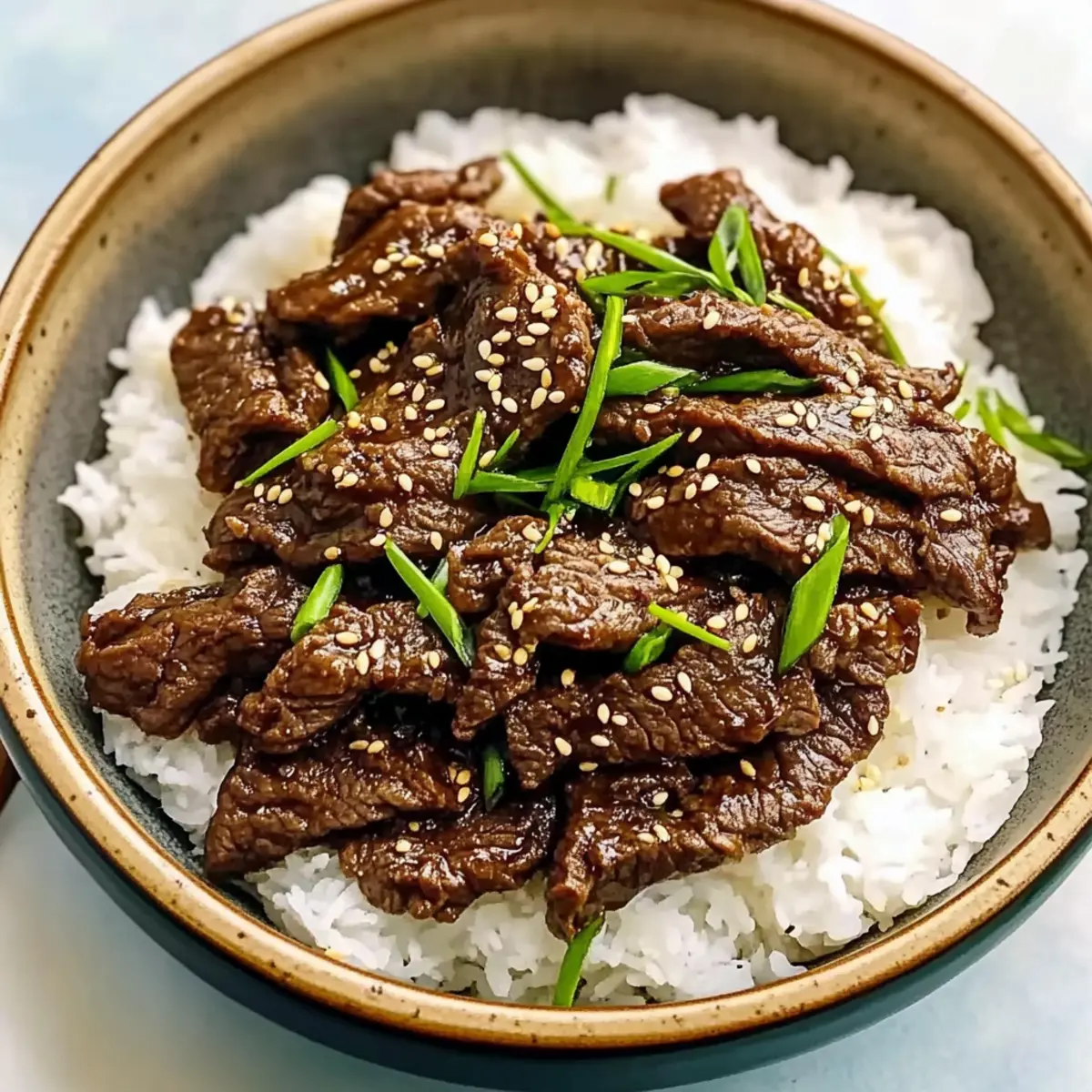
Savory Korean Beef Bulgogi: Quick Weeknight Wonder
Ingredients
Equipment
Method
- Begin by slicing your beef sirloin or ribeye into 1/8 inch thick pieces against the grain.
- In a large mixing bowl, whisk together soy sauce, brown sugar, sesame oil, mirin, rice vinegar, grated Asian pear, minced garlic, freshly grated ginger, black pepper, and finely grated onion.
- Add the thinly sliced beef to the marinade, ensuring each piece is well coated. Cover and refrigerate for at least 2 hours.
- Heat a non-stick skillet or wok over medium-high heat and cook the marinated beef in small batches for 2-3 minutes per side.
- Transfer the cooked beef bulgogi to a serving platter, garnish with toasted sesame seeds and green onions, and serve with cooked rice and lettuce leaves.
Leave a Reply